

Why VR and Immersive Technologies Are Redefining Modern Entertainment Zones
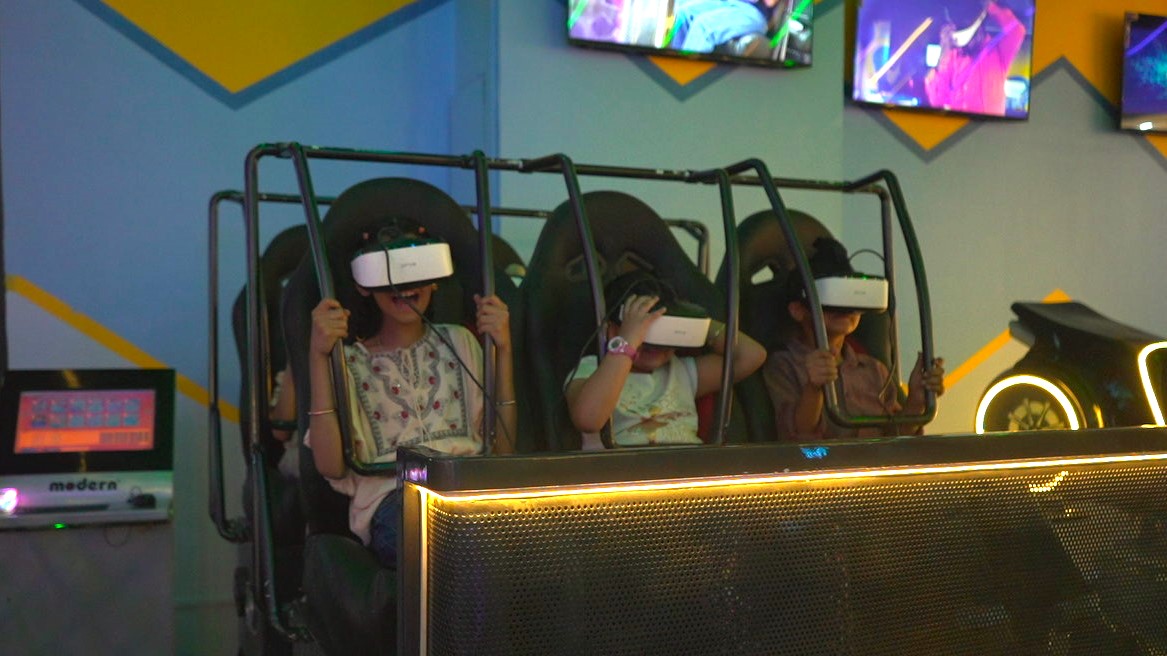
Virtual Reality and immersive technologies have shifted from novelty attractions to central pillars of modern entertainment ecosystems. In the context of indoor amusement centres, VR has proven to be more than a visual experience; it is a tool for deep engagement, repeat visits, and differentiated positioning. One of the strongest advantages of VR-based attractions is flexibility. Unlike traditional rides that require large footprints and fixed mechanical structures, VR simulators can be adapted to varied spaces and themes. This makes them particularly suitable for urban entertainment centres where space optimisation is critical. From a consumer standpoint, immersive technologies cater to a wide demographic range. While younger audiences are drawn to high-intensity simulations and competitive gameplay, families and casual visitors engage equally with narrative-driven VR experiences. This versatility allows operators to diversify offerings without significantly increasing infrastructure costs. Another important dimension is content adaptability. VR systems can be updated with new software, themes, or storylines, allowing entertainment centres to refresh their offerings without replacing physical equipment. This ensures longevity of investment and sustained audience interest. Operationally, immersive attractions also provide valuable data insights. Usage patterns, session durations, and user preferences can be analysed to inform pricing strategies, staffing, and future expansion decisions. In an industry where margins are closely tied to efficiency, this data-driven approach offers a competitive edge. As immersive technologies continue to advance, their integration into indoor amusement spaces will no longer be optional. They are fast becoming the backbone of next-generation entertainment infrastructure.